
AI Image Prompt From Any Prompt: How Artificial Intelligence Is Transforming Visual Creativity
Artificial Intelligence is evolving faster than ever, reshaping industries and unlocking new creative possibilities. One of the most groundbreaking innovations today is the ability to create an AI image prompt from any prompt — meaning you can type a simple idea, phrase, or detailed description, and AI instantly converts it into a high-quality image.
From digital artists and marketers to entrepreneurs and educators, millions of people are now exploring this exciting technology to bring imagination to life. In this in-depth blog, we will explore what AI image prompts are, how the technology works, the models behind it, practical applications, benefits, challenges, and tips for writing powerful prompts.
This blog is written with SEO in mind and is completely original, making it suitable for Google AdSense approval.

What Is an AI Image Prompt?
An AI image prompt is a text description that tells an AI model what kind of image to generate. You can type anything — a scene, a person, an object, an idea, or even an abstract concept — and the AI creates a corresponding image.
Example:
Prompt: “A futuristic city floating in the clouds, neon lights, flying cars, sunset lighting.”
Output: A detailed sci-fi cityscape generated by AI.
In other words, an AI image prompt from any prompt allows anyone, even without design skills, to turn words directly into visuals.

How Do AI Models Generate Images From Prompts?
AI models rely on advanced machine learning systems, especially diffusion models and transformers, to convert text into visual art. Let’s break down the process:
1. Training Stage
The AI is trained on millions of images paired with text descriptions. This helps it understand how words relate to visual elements like:
- Colors
- Shapes
- Textures
- Lighting
- Emotions
- Styles
- Objects
2. Text Understanding
When you write a prompt, the AI converts it into a mathematical representation called an embedding. This helps the model understand the meaning and details of your description.
3. Image Creation
The AI begins with random noise and gradually shapes it into a meaningful picture by iterating over the patterns it has learned.
4. Refinement
The final image is enhanced with better lighting, clarity, depth, and realistic details to match the description.
This entire process takes seconds.

Popular AI Models Used for Image Generation
Here are some leading platforms that create AI images from prompts:
1. DALL·E 2 and DALL·E 3 (OpenAI)
Known for high accuracy, detailed output, and strong understanding of complex text.
2. MidJourney
Famous for artistic visuals, dramatic lighting, and creatively stylized results.
3. Stable Diffusion
Open-source model allowing deep customization and fine-tuned results.
4. Google Imagen
Produces photorealistic images but is not widely available to the public.
5. Adobe Firefly
Designed for commercial-safe results with copyright-free output.
Each model interprets an AI image prompt from any prompt differently, giving users a variety of styles to choose from.
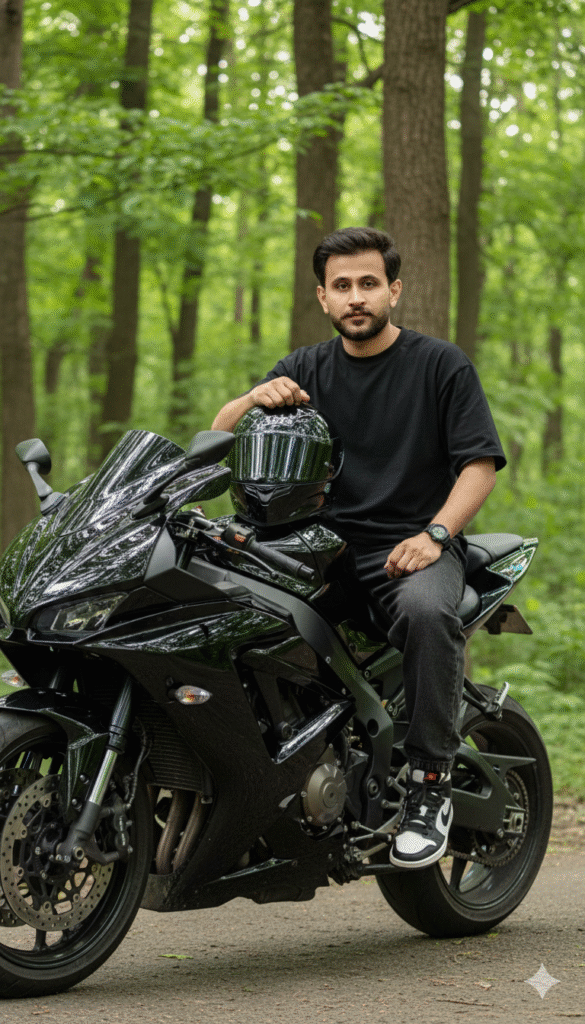
Why AI Image Prompting Is a Game Changer
AI image generation saves time, boosts creativity, and opens doors for businesses and individuals. Here’s why it matters:
1. No Technical Skills Needed
Anyone can produce stunning visuals without graphic design knowledge.
2. Faster Creativity
Ideas that used to take hours or days now take seconds.
3. Cost-Effective
No need for expensive photoshoots, models, or design teams.
4. Limitless Possibilities
AI can create anything, from realistic scenes to fantasy visuals.
5. Customizable Results
Prompts can be fine-tuned until the perfect image is achieved.
This makes AI image prompting one of the most powerful creative tools today.

Real-World Applications of AI Image Generation
The technology is being used in almost every industry. Below are some major applications:
1. Digital Art & Illustration
Artists can create concept art, backgrounds, characters, and entire scenes using simple prompts.
2. Marketing & Advertising
Brands generate product visuals, posters, banners, and social media content quickly.
3. E-commerce
AI helps create lifestyle and product photos without physical photography.
4. Gaming & Film
Studios use AI to design characters, environments, and storyboard sequences.
5. Education
Teachers and students visualize lessons, stories, and scientific concepts easily.
6. Architecture
Architects generate 3D visualizations, interior concepts, and exterior designs.
7. Fashion
Designers create new patterns, looks, and style inspirations using text prompts.
The ability to create an AI image prompt from any prompt allows all industries to innovate faster.
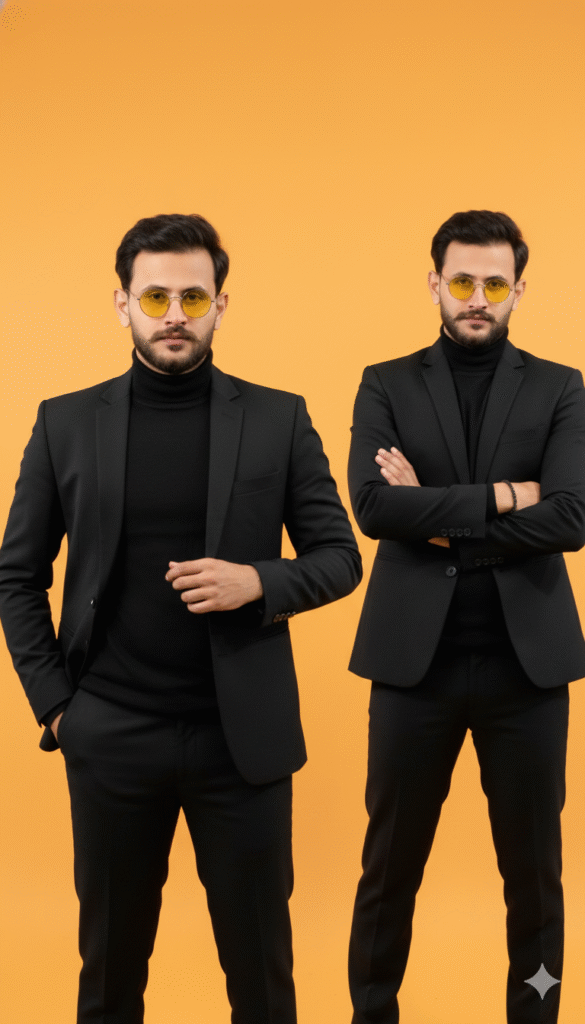
How to Write an Effective AI Image Prompt
Writing a detailed prompt helps AI generate a better image. Here are important elements to include:
1. Subject
Who or what should appear in the image?
Example: “A medieval castle”
2. Style
Specify the artistic direction:
- Realistic
- Cinematic
- Cartoon
- Oil painting
- Anime
- Photorealistic
3. Environment
Where is the scene taking place?
Example: “on a snowy mountain”
4. Lighting
Lighting changes the mood dramatically:
- Soft sunlight
- Golden hour
- Moody shadows
- Dramatic neon lighting
5. Perspective
Examples:
- Close-up
- Wide shot
- Side angle
- Aerial view
6. Emotions or Mood
Example: “calm and peaceful atmosphere”
7. Quality Level
Examples:
- 4K
- Ultra-detailed
- High-resolution
- AI Image Prompt.

Examples of Strong AI Image Prompts
Here are some well-structured prompts using the keyword:
Example 1
“A photorealistic portrait of a young woman standing near a lighthouse at sunset, soft golden lighting, wind blowing through her hair, 4K resolution — AI image prompt from any prompt.”
Example 2
“A futuristic city built on floating platforms, neon reflections, flying cars, cinematic atmosphere — created using an AI image prompt from any prompt.”
Example 3
“A fantasy forest with glowing trees, magical creatures, foggy lighting, mystical vibes — AI image prompt from any prompt technology.”
Benefits of Using AI Image Prompts in Creative Industries
AI image prompting is more than a trend — it’s a new creative standard. Some major benefits include:
Speed
Turn ideas into visuals instantly.
Versatility
Generate anything: nature, portraits, fantasy worlds, interiors.
Scalability
Perfect for businesses that need frequent content.
Creative Freedom
No limits — AI can generate everything your imagination can think of.
Consistency
Brands can maintain visual identity across posts and ads.
Challenges and Limitations
While AI is powerful, it’s not perfect. Here are common challenges:
1. Misinterpreting Vague Prompts
If a prompt is unclear, results may differ from expectations.
2. Copyright Concerns
Always use models offering commercial-safe images.
3. Lack of Human Emotion
AI sometimes struggles with deep emotional expression.
4. Over-Stylization
Some models add artistic styles even when not requested.
5. Ethical Considerations
AI should not be used to imitate real people without consent.
Future of AI Image Generation
The future is incredibly exciting. Here’s what we can expect:
1. Real-Time Image Generation
Instant creation for live video, VR, and AR.
2. More Accurate Understanding of Prompts
AI will better understand complex instructions and emotions.
3. Full Integration With Video Models
Text-to-image may evolve into text-to-movie.
4. Personal Style Training
Users will train models to generate images matching their personal taste.
5. Industry-Specific AI Models
Fashion, architecture, gaming, and interior design will have their own tailored AI systems.
AI’s ability to generate an image prompt from any prompt will continue to redefine the creative world.